
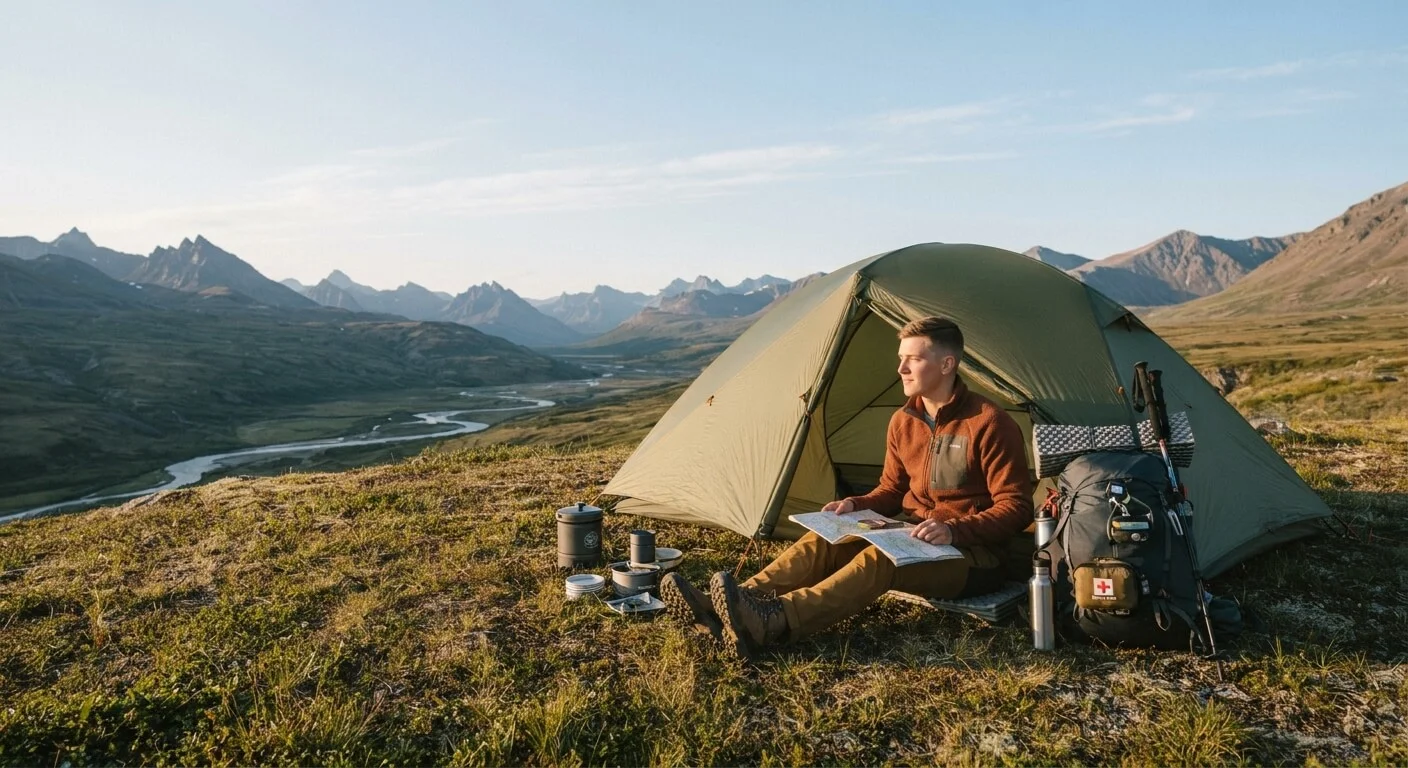
Wild camping can be an exciting way to enjoy nature, quiet trails, and remote places away from busy campsites. However, knowing how to stay safe wild camping is just as important as choosing your tent or packing your food. When you camp in the wild, you may be far from roads, facilities, and phone service, so small mistakes can become bigger problems. Good wild camping safety starts before you leave home. You need to check the weather forecast, understand local rules, plan your route, and tell someone where you are going. You also need to choose a safe camping spot, protect your food and water, prepare for wildlife, and know what to do in an emergency. With simple planning and smart choices, safe wild camping can become a rewarding and memorable outdoor experience.
What Makes Wild Camping Different From Regular Camping?
Wild camping is different from staying at an organized campsite. At a regular campsite, you may have toilets, water, marked pitches, roads, and nearby help. With wild camping, you often stay in remote areas with fewer services and less contact with other people. This means you need to take more responsibility for your own camping safety. You should know your route, carry enough water, understand the local weather, and prepare for unexpected problems. Wilderness camping safety also means knowing how to manage simple risks before they become serious. You may face uneven ground, changing weather, wildlife, or weak phone service. These challenges should not stop you from enjoying the outdoors. Instead, good planning can make safe wild camping more comfortable, relaxed, and enjoyable.
Check Wild Camping Rules Before You Go
Before starting a wild camping trip, check the rules for the area you plan to visit. Wild camping laws can be different from one country, region, or park to another. Some places require landowner permission, while others allow camping under certain conditions. National parks and protected areas may also have special camping restrictions or seasonal closures. Check whether you can camp overnight, where you can park, and whether campfires are allowed. You should also look for local rules about wildlife, waste, and water use. Never assume that wild camping is legal everywhere simply because it is allowed somewhere else. Understanding local regulations helps you avoid problems and protects the places you visit. Always check official local information before setting up your tent.
Plan Your Wild Camping Trip Before Leaving
Good wild camping preparation starts before you put on your boots. Study your route and learn what the area is like. Check the distance, terrain, water sources, weather, and possible exit points. If possible, identify a backup campsite in case your first choice is unsuitable. Tell a trusted person where you are going, share your planned route, and give them your expected return time. This is especially important for solo wild camping in remote areas. Download offline maps if phone service may be weak, and keep your phone fully charged. You should also have an emergency plan if you become lost, injured, or unable to continue. A little trip planning can prevent many common problems and help you enjoy your adventure with greater confidence.
Check the Weather and Understand the Risks
A weather forecast should be part of every wild camping plan. Check the forecast before leaving and look again before you choose your camping spot. Pay close attention to heavy rain, strong winds, storms, extreme temperatures, snow, and possible flooding. Weather can change quickly in remote areas, so do not depend on one forecast from earlier in the day. Cold rain can make you wet and uncomfortable, while strong winds can damage a tent or make exposed ground unsafe. Hot weather can also increase the risk of dehydration. If severe weather is expected, changing your plans may be the safest choice. Good wild camping safety means knowing when conditions are becoming unsafe. Remember, cancelling or delaying a trip is better than taking an unnecessary risk.
How to Choose a Safe Wild Camping Spot
Choosing a safe wild camping spot is one of the most important parts of staying safe outdoors. Look for flat, stable, and dry ground that is suitable for your tent. Avoid riverbanks, low areas, dry channels, and places where water may collect during heavy rain. Stay away from cliff edges, unstable slopes, loose rocks, and dead trees. Look above your tent for branches that could fall during strong winds. You should also check for signs of animals, such as tracks or trails. Avoid fragile plants and areas that could be damaged by camping. If possible, arrive while there is still daylight so you have enough time to inspect the area. A few extra minutes spent checking your campsite hazards can greatly improve your safety.
Set Up Your Tent and Shelter for Safety
Once you find a suitable campsite, set up your tent and shelter carefully. Make sure the ground is stable and that your tent is protected from strong wind where possible. Use tent stakes, tent pegs, and guylines correctly so your shelter stays secure. Check that rainwater can drain away from your sleeping area. Do not place your tent directly under damaged or dead trees. Keep the entrance easy to reach, especially if you may need to leave quickly during an emergency. Your tent placement should also give you enough space to move around safely at night. Keep your sleeping bag and other important items dry and protected. A properly prepared shelter gives you protection from weather, wind, and rain and makes wild camping much more comfortable.
Bring the Right Wild Camping Safety Gear
The right wild camping safety equipment can help you handle small problems before they become emergencies. Carry a reliable map and compass, even if you normally use your phone for navigation. Download offline maps and bring a fully charged phone with a power bank. A headlamp or flashlight is essential for moving around after dark. Pack a basic first aid kit, extra food, enough water, and a suitable water treatment method. Weather-appropriate clothing is also important, especially when temperatures can drop overnight. For remote trips, consider an emergency communication device such as a satellite messenger or personal locator beacon. You do not need to carry every piece of survival gear available. Focus on practical items that help with navigation, communication, shelter, water, and emergencies.
Stay Safe With Water, Food, and Cooking
Managing water, food, and cooking correctly is an important part of wilderness camping safety. Carry enough drinking water for the trip, including extra water if you expect hot weather or a long walk. If you plan to use a natural water source, treat the water with a suitable water filter, purifier, or other treatment method before drinking it. Keep food stored securely and avoid leaving food scraps around your campsite. Strong smells can attract wildlife, so store scented items safely too. When cooking, use a camping stove on a stable surface away from your tent and other flammable items. Check local fire rules before using an open fire. Keeping your food area clean and your water safe reduces common problems and helps make safe wild camping easier.
Understand Wildlife and Animal Safety
Wild animals are part of the outdoor experience, so learning basic wildlife safety is important. Before your trip, research the animals found in the area. Depending on the location, you may encounter bears, cougars, coyotes, snakes, insects, ticks, dogs, or livestock. Never feed wildlife or try to approach an animal for a closer look. Keep your food, rubbish, and scented items stored properly. Follow local advice about food storage, such as using a bear canister where required. If you see animal tracks or signs around a campsite, consider choosing another location. Give animals plenty of space and avoid blocking their path. Staying calm, keeping your distance, and respecting wildlife can reduce the chance of unwanted animal encounters while wild camping.
How to Stay Safe Around Campfires and Stoves
Campfire safety should always be taken seriously during wild camping. Before making a fire, check the local fire restrictions, fire bans, and wildfire risk. Some areas do not allow open fires at all. In dry or windy conditions, a camping stove is often a safer choice. If fires are permitted, keep them small and away from your tent, dry grass, branches, and other flammable materials. Never leave a fire unattended, even for a short time. Before leaving your campsite or going to sleep, make sure the fire is completely out. Use water where appropriate and check that no heat or glowing material remains. Responsible fire use protects both you and the environment. A careless campfire can turn a peaceful camping trip into a serious emergency.
Stay Safe After Dark
Night can feel very different when you are wild camping, especially if you are alone. Prepare before darkness arrives. Keep a headlamp or flashlight within easy reach and make sure your batteries are charged. Walk around the campsite before bed so you know where important paths, obstacles, and exits are located. Keep your shoes, phone, and other essential items close to your sleeping area. Avoid walking far from camp at night unless it is necessary. If you need to use the bathroom, take your light and watch your footing. Familiar sounds can also seem strange in the dark, so staying calm is important. Simple preparation can make camping at night feel safer and more comfortable. Good nighttime habits are an important part of wild camping safety.
Solo Wild Camping: How to Protect Yourself
Solo wild camping can be rewarding, but it requires extra planning because you may not have another person nearby. Tell someone you trust where you are going and share your route and expected return time. Keep your phone charged and consider carrying a backup communication device when traveling into remote areas. Arrive at your campsite before dark so you have time to inspect the area. Keep valuables secure and avoid sharing your exact campsite publicly while you are still there. Most importantly, trust your instincts. If a location, person, weather condition, or situation makes you feel unsafe, you can leave. You do not need to stay simply because you planned to camp there. Personal awareness is a key part of how to stay safe wild camping alone.
What to Do If Something Goes Wrong
Even careful campers can face unexpected problems. If you become lost, stop and avoid walking around without a clear plan. Use your map, compass, or offline GPS to understand your location. If someone is injured, provide basic first aid and decide whether they can safely continue. If severe weather arrives, move to a safer location or follow your planned exit route. If your phone has no signal, use your emergency communication device if you have one. Extra food, water, clothing, and an emergency shelter can help if you must wait for assistance. This is why an emergency plan matters before leaving home. Knowing what to do during a problem can prevent panic and help you make safer decisions in a wilderness emergency.
Know When to Turn Around or Leave Your Campsite
One of the most important wild camping safety tips is knowing when to change your plan. You should be ready to leave if the weather becomes dangerous, water levels rise, the ground becomes unstable, or your equipment stops working properly. You should also consider leaving if you feel unsafe or notice signs of serious wildlife activity. Do not continue simply because you have already walked a long distance or planned to stay overnight. Your safety is more important than completing the original plan. If you are tired, injured, lost, or running out of daylight, stop and reassess the situation. Knowing when to turn around is a useful outdoor skill. Sometimes the safest choice is simply to find another campsite or return home.
Leave No Trace and Camp Responsibly
Safe camping also means taking care of the place you visit. Follow Leave No Trace principles by carrying your rubbish with you and leaving the campsite clean. Do not damage plants, disturb wildlife, or leave food scraps behind. Use toilets where available, or follow local guidance for disposing of human waste when facilities are not provided. Keep noise low and respect nearby communities, other campers, and landowners. Follow local rules about fires, camping locations, water, and waste. Responsible wild camping helps protect natural areas for future visitors. It also reduces safety problems because food waste and litter can attract animals. Good wild camping etiquette is simple: leave the area as you found it, or cleaner when possible, and avoid leaving signs that you were there.
Wild Camping Safety Checklist
Before your trip, use a simple wild camping safety checklist to make sure you have covered the basics. Check the weather forecast and local camping rules. Plan your route, identify water sources, and share your plans with someone you trust. Pack a map, compass, phone, power bank, headlamp, first aid kit, food, water, and suitable clothing. When you arrive, inspect your campsite for flooding, unstable ground, dead branches, strong winds, and animal signs. Before dark, secure your tent and organize your essential items. Store food and rubbish safely, and check fire restrictions before cooking. Finally, keep an emergency plan ready and know your exit route. These simple steps can make safe wild camping much easier and help you enjoy the outdoors with confidence.
Frequently Asked Questions About Wild Camping Safety
Is wild camping safe for beginners?
Yes, beginners can enjoy wild camping when they choose suitable locations and prepare properly.
Is it safe to wild camp alone?
Solo camping can be safe, but share your route, location, and expected return time with someone you trust.
How do you stay safe while wild camping at night?
Carry a headlamp, prepare your campsite before dark, keep essential items nearby, and avoid unnecessary nighttime travel.
How do you choose a safe wild camping spot?
Look for stable, dry ground and avoid rivers, cliffs, unstable slopes, dead trees, and flood-prone areas.
What should you do if the weather changes?
Recheck your options and leave or move to a safer location if conditions become dangerous.
What should you carry for an emergency?
Pack first aid supplies, navigation tools, water, extra food, suitable clothing, lighting, and communication equipment for remote trips.