
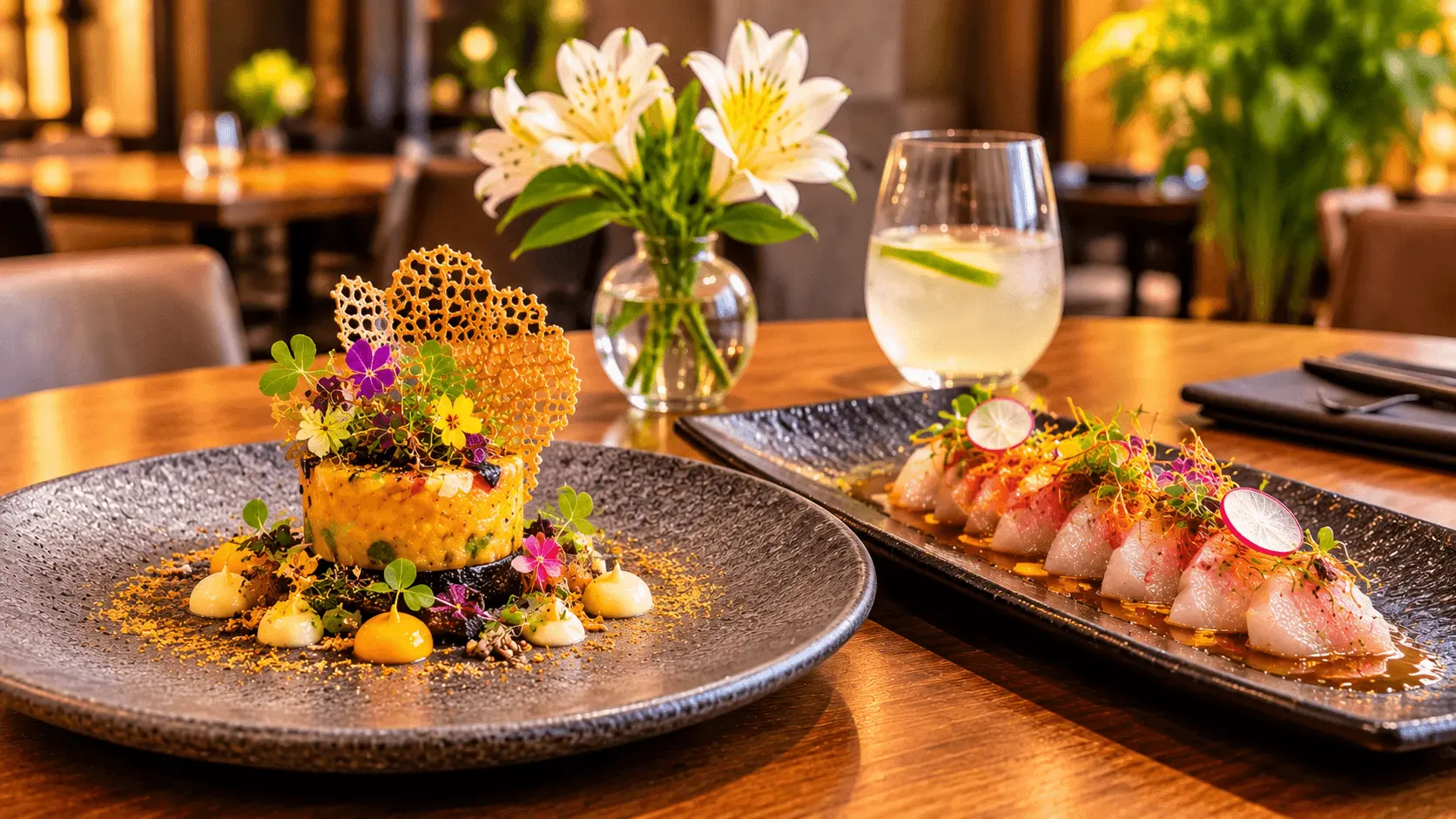
Lima, Peru, is one of the world’s most exciting destinations for food lovers. Its restaurant scene combines traditional Peruvian ingredients, international influences, and creative cooking techniques. Two restaurants that attract international attention are Central and Maido. Both offer remarkable tasting menus, but their culinary approaches are very different.
Central explores Peru through its landscapes, ecosystems, and native ingredients. Maido celebrates the connection between Japanese and Peruvian food through its famous Nikkei cuisine. Choosing between them can be difficult, especially when both restaurants are expensive dining experiences.
In this guide, we compare Central vs Maido based on food, tasting menus, prices, atmosphere, location, and reservations. Whether you are planning a special dinner or a luxury food trip, this comparison will help you choose the right restaurant for your visit to Lima.
Quick Answer:
Central and Maido offer two different fine-dining experiences in Lima. Central is ideal for travelers interested in Peruvian biodiversity, regional ingredients, and creative tasting menus. Maido is better for people who enjoy Japanese-Peruvian fusion, seafood, and sushi-inspired dishes. Central currently charges S/1,630 per person, while Maido charges S/1,295. Choose Central for culinary exploration and Maido for an exciting Nikkei experience.
Understanding Central and Maido
Central and Maido are two important names in Lima’s international dining scene. However, their identities come from different culinary traditions.
Central is led by chefs Virgilio Martínez and Pía León. Its cooking focuses on Peru’s natural diversity, including ingredients from the Pacific coast, Amazon rainforest, and Andes Mountains.
Maido is led by chef Mitsuharu Micha Tsumura. It explores Nikkei cuisine, which combines Japanese cooking traditions with Peruvian ingredients and flavors.
Both restaurants have received international recognition. Maido was named the world’s best restaurant in 2025 by The World’s 50 Best Restaurants. Central previously received the same top honor in 2023.
What Makes Central Special?
Central focuses on the connection between food, nature, and geography. Its chefs explore ingredients from different parts of Peru and use them to create a tasting experience inspired by the country’s ecosystems.
Rather than presenting traditional dishes in familiar ways, Central introduces guests to unusual ingredients, textures, and combinations.
Its connection with Mater, a research project exploring Peruvian biodiversity and local knowledge, helps shape its culinary philosophy.
Central is a great choice if you enjoy discovering new ingredients and learning about the relationship between food and the natural environment.
What Makes Maido Special?
Maido celebrates Nikkei cuisine, a cooking style developed through the meeting of Japanese and Peruvian food cultures.
Chef Mitsuharu Tsumura uses Japanese techniques such as precise knife work, seafood preparation, and balanced seasoning while incorporating local Peruvian ingredients.
The result is a creative menu that can include seafood, ceviche-inspired preparations, nigiri, sauces, and unexpected flavor combinations.
Maido is especially appealing to travelers who enjoy Japanese food but want to discover how Peruvian ingredients can transform familiar dishes.
Its cooking feels playful, refined, and focused on balancing different flavors.
Central vs Maido – Cuisine and Food Philosophy
The biggest difference between Central and Maido is their approach to food.
Central tells the story of Peru through its natural environment. Its dishes explore the country’s different elevations and ecosystems. You may encounter ingredients connected to coastal waters, mountain landscapes, and Amazonian regions.
Maido takes a different direction. Its cooking explores the relationship between Japanese and Peruvian culinary traditions. Seafood, Japanese preparation methods, Peruvian peppers, and local produce help create its signature style.
Neither approach is automatically better. Central is more focused on geographical discovery, while Maido offers a cultural meeting of two food traditions.
Your personal food preferences will make a major difference when deciding between these restaurants.
Comparing the Tasting Menus
Both restaurants offer carefully planned tasting experiences. However, the dishes and storytelling behind their menus are different.
Central’s Culinary Journey
Central’s current Mundo en Desnivel menu includes 12 moments and 32 preparations.
The experience takes inspiration from Peru’s coast, Andes, and Amazon. Each preparation explores ingredients, seasons, and the natural environments that shape the country’s food culture.
Instead of simply serving several unrelated dishes, Central creates a connected culinary journey.
The restaurant’s official website describes the tasting experience as approximately three hours long. This makes it important to plan enough time for your visit.
Choose Central if you enjoy creative presentations, unfamiliar ingredients, and food experiences with a strong connection to nature.
Maido’s Nikkei Experience
Maido’s current tasting experience includes 12 courses featuring its interpretation of Japanese-Peruvian cuisine.
The menu changes with ingredients and seasonal availability. Its culinary approach combines Japanese precision with Peruvian seafood, local produce, and distinctive sauces.
You can expect an experience built around contrasting textures, balanced flavors, and creative presentations. Seafood and Japanese-inspired preparations are particularly important to its identity.
Maido is a strong choice for diners who enjoy sushi, ceviche, and contemporary fusion cooking.
If you appreciate Japanese food but want something different from a traditional Japanese restaurant, Maido offers an exciting way to explore Lima’s food culture.
Central vs Maido – Prices and Value
Price is an important factor when comparing these two restaurants. Both are premium dining destinations, but their published tasting-menu prices are different.
| Dining experience | Central | Maido |
|---|---|---|
| Tasting menu | S/1,630 | S/1,295 |
| Menu format | 12 moments | 12 courses |
| Drink pairing | Additional | Additional |
| Location | Barranco | Miraflores |
Maido is currently S/335 cheaper per person for its basic tasting menu.
Central also lists a pairing option at S/684 per person. Maido offers several pairing choices, including wine and sake and a non-alcoholic pairing.
These prices are published restaurant rates, not guaranteed future booking prices. Check the official websites before making a reservation.
Which Restaurant Offers Better Value?
Maido offers a lower starting price and may appeal to travelers who prefer seafood and Japanese-Peruvian cooking.
Central costs more, but its menu includes a broader exploration of Peruvian ecosystems through 32 preparations.
The better value depends on what you want from the experience rather than the number of courses alone.
Atmosphere and Dining Experience
Central and Maido also create different dining environments.
Central has a refined atmosphere that supports its storytelling approach. The attention stays on the ingredients, presentations, and explanations behind each preparation.
Maido offers a more energetic interpretation of luxury dining. Its Japanese influences are reflected in its presentation style and culinary precision.
Both restaurants focus on high-quality service and carefully presented dishes. However, the experience you prefer depends on your personality.
If you enjoy quiet exploration and food connected to geography, Central may suit you better. If you enjoy Japanese-inspired creativity and a more playful approach to dining, Maido could be your favorite.
Location and Accessibility
Both restaurants are located in Lima, but they are in different neighborhoods.
Central is located at Av. Pedro de Osma 301 in Barranco. This neighborhood is known for its artistic character, historic buildings, galleries, and coastal atmosphere.
Maido is located at Calle San Martín 399 in Miraflores. Miraflores is a popular tourist area with hotels, restaurants, shopping, and access to Lima’s coastal parks.
Both locations are accessible by taxi or ride-hailing services. Allow extra travel time because traffic in Lima can be unpredictable.
If you are staying in Miraflores, Maido may be more convenient. Central is a good opportunity to explore Barranco before or after your meal.
Reservations and Booking Tips
These restaurants are popular international dining destinations, so booking ahead is important.
Central: Its official reservation information allows online bookings for groups of one to six people up to four months in advance. Larger groups should contact the restaurant directly.
centralrestaurante.com.pe
Maido: Its official website states that reservations open two months in advance, on the first day of each month. Online reservations are available for groups of one to ten guests, subject to availability.
Here are some useful tips:
-
Book as early as your travel plans allow.
-
Check the cancellation policy before paying or confirming.
-
Inform the restaurant about allergies and dietary restrictions in advance.
-
Check the latest menu and prices before booking.
-
Arrive on time and allow enough time for the full experience.
Official booking websites:
Which Restaurant Should You Choose?
The best restaurant depends on your food interests, budget, and expectations.
Choose Central if:
-
You want to explore Peru’s biodiversity through food.
-
You enjoy unusual ingredients and creative presentations.
-
You are interested in the country’s ecosystems and culinary research.
-
You prefer a tasting experience built around a geographical story.
Choose Maido if:
-
You enjoy Japanese cuisine and seafood.
-
You want to explore Nikkei cooking.
-
You appreciate sushi-inspired dishes and creative combinations.
-
You prefer a lower starting tasting-menu price.
My recommendation is to choose Maido if Japanese-Peruvian flavors are your priority. Choose Central if discovering Peru through its ingredients and landscapes sounds more exciting.
Both offer experiences that stand out in Lima’s international dining scene.
Can You Visit Both Restaurants?
Yes! If your travel budget allows, visiting both restaurants is an excellent way to explore Lima’s food culture.
They offer different culinary perspectives, so the experiences are not simply repeated versions of the same meal.
You could schedule one restaurant for lunch and the other on a different day. This gives you time to enjoy each tasting menu without rushing.
I recommend allowing at least one day between the experiences if possible. Both tasting menus are substantial, and taking a break can make each meal more enjoyable.
You can also explore Barranco and Miraflores during your restaurant visits, turning your dining reservations into part of a wider Lima travel experience.
Frequently Asked Questions
Is Central better than Maido?
Neither restaurant is universally better. Central is ideal for exploring Peruvian ingredients and ecosystems, while Maido specializes in Japanese-Peruvian fusion. Your food preferences should guide your decision.
Is Maido more expensive than Central?
No. The currently published basic tasting menu costs S/1,295 at Maido and S/1,630 at Central. Optional drink pairings increase the final bill.
How many courses does Central offer?
Central’s current Mundo en Desnivel experience includes 12 moments and 32 preparations inspired by Peru’s coast, Andes, and Amazon.
How many courses does Maido offer?
Maido currently offers a 12-course tasting experience featuring its interpretation of Nikkei cuisine.
Do Central and Maido require reservations?
Reservations are strongly recommended. Central accepts bookings up to four months ahead, while Maido opens reservations two months in advance.
Where is Central located in Lima?
Central is located at Av. Pedro de Osma 301 in Barranco, Lima, Peru.
Where is Maido located in Lima?
Maido is located at Calle San Martín 399 in Miraflores, Lima, Peru.
Should I visit both Central and Maido?
Yes, if your budget and schedule allow. Their different culinary approaches make visiting both a great way to experience Lima’s diverse food culture.