
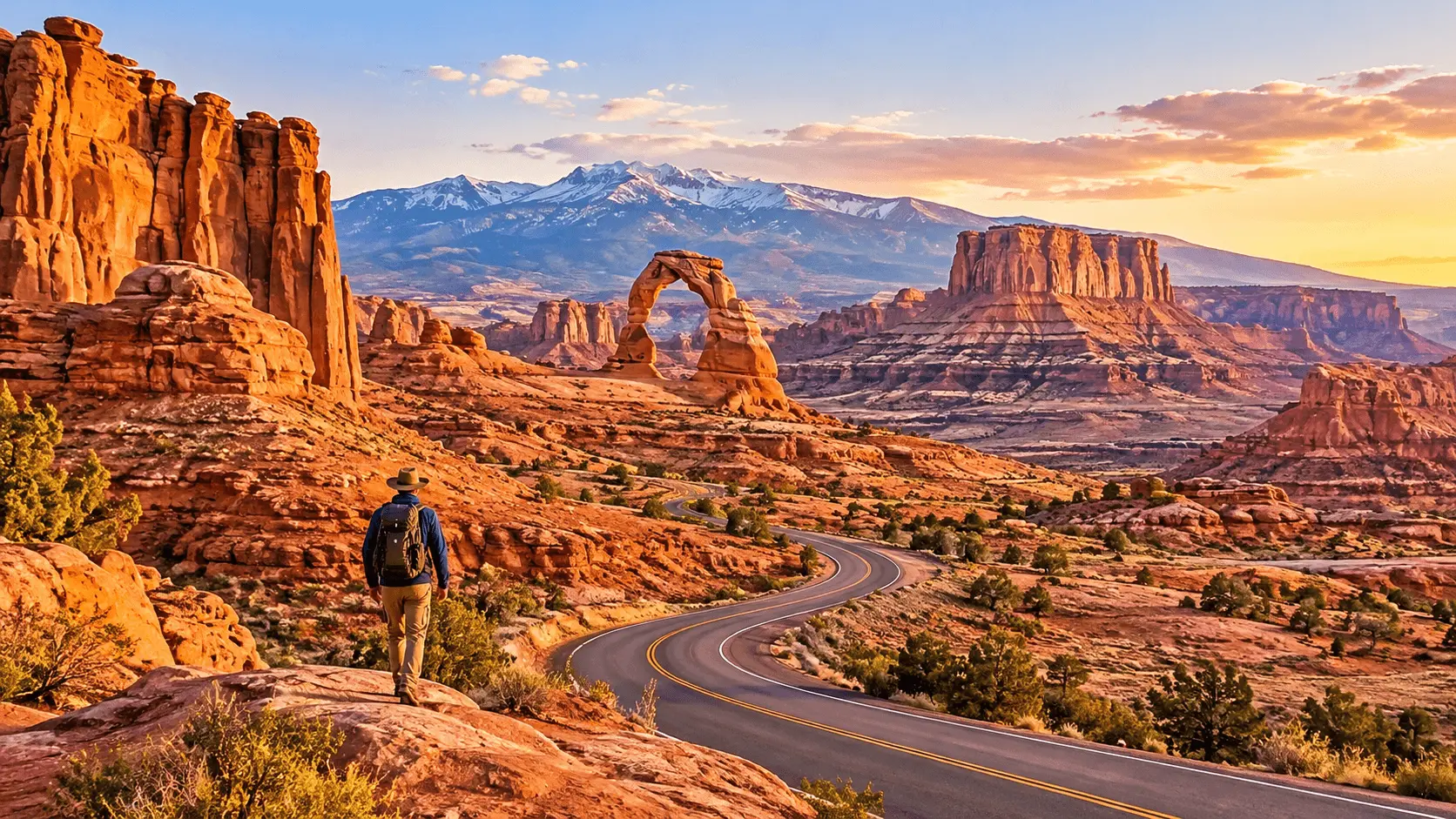
Utah is one of the most beautiful states in the United States. It is famous for its red rock landscapes, towering mountains, natural arches, colorful canyons, and peaceful lakes. Whether you enjoy hiking, photography, scenic drives, or exploring small mountain towns, there are plenty of things to see in Utah.
The state is home to five incredible national parks, often called the Mighty Five. However, Utah offers much more than national parks. You can discover unusual rock formations, relaxing lakes, charming towns, and beautiful desert viewpoints.
From the famous landscapes of Zion to the quiet beauty of Bear Lake, every region offers something different. This guide covers 15 amazing places to visit in Utah, along with helpful tips to make your trip easier.
Quick Answer
The best things to see in Utah include Zion National Park, Bryce Canyon, Arches National Park, Canyonlands, Capitol Reef, Monument Valley, Bonneville Salt Flats, Great Salt Lake, Goblin Valley, Dead Horse Point, Valley of the Gods, and Bear Lake. You can also explore Park City, Antelope Island, and Goosenecks State Park. These destinations offer beautiful landscapes, outdoor adventures, scenic drives, wildlife, and unforgettable photography opportunities.
Best Things to See in Utah
Utah’s most famous attractions are known for their unusual landscapes and outdoor adventures. These destinations should be at the top of your list if you are visiting the state for the first time.
Zion National Park
Zion National Park is one of the most spectacular places to see in Utah. It features massive sandstone cliffs, deep canyons, green valleys, and beautiful walking trails. The park attracts visitors who enjoy hiking and exploring dramatic natural scenery.
Popular experiences include The Narrows, Emerald Pools, and Canyon Overlook Trail. You can also enjoy beautiful views along Zion Canyon Scenic Drive. During the shuttle season, check the park’s transportation schedule before visiting. Zion is especially beautiful during spring and fall when temperatures are generally more comfortable.
Bryce Canyon National Park
Bryce Canyon National Park is famous for its incredible collection of orange and red rock formations called hoodoos. These unusual stone structures create a natural amphitheater unlike anywhere else in the country.
Sunrise Point and Sunset Point are excellent places to enjoy the scenery. If you want to explore on foot, consider the Navajo Loop or Queen’s Garden Trail when conditions allow. Bryce Canyon also offers beautiful photography opportunities, especially during sunrise when the sunlight brings out the colors of the rocks.
Arches National Park
Arches National Park is a must-see destination for anyone interested in natural wonders. It contains more than 2,000 documented natural stone arches, along with balanced rocks, sandstone towers, and colorful desert landscapes.
The most famous attraction is Delicate Arch, which stands alone against a beautiful desert background. Landscape Arch and Double Arch are also worth exploring. Many visitors use nearby Moab as their base for exploring the park. Plan your visit early during busy periods because parking and entrance delays can affect your schedule.
Canyonlands National Park
Canyonlands National Park offers some of the widest and most impressive desert views in Utah. Deep canyons, colorful cliffs, tall mesas, and winding rivers create a landscape that feels almost endless.
The Island in the Sky district is a popular choice for first-time visitors. Mesa Arch is especially famous for its sunrise views. You can also visit Grand View Point for a sweeping look across the canyon country. Remember that Canyonlands has different districts separated by long driving distances, so choose your route before arriving.
Capitol Reef National Park
Capitol Reef National Park is a wonderful destination for travelers who enjoy quieter landscapes and scenic drives. Its most recognizable feature is the Waterpocket Fold, a long geological formation filled with colorful cliffs, domes, and canyons.
You can explore the historic Fruita area, enjoy views along the Scenic Drive, and discover hiking trails throughout the park. The surrounding landscape also includes orchards and interesting historic sites. Capitol Reef is a great addition to a Utah road trip, especially if you want to explore beyond the busiest national park destinations.
Beautiful Natural Attractions in Utah
Utah is not only about national parks. The state also has remarkable natural attractions that offer different experiences, from salt-covered landscapes to peaceful viewpoints.
Monument Valley
Monument Valley is one of the most recognizable landscapes in the American Southwest. Its massive sandstone buttes rise dramatically above the desert floor, creating unforgettable views.
The scenic drive through Monument Valley offers opportunities to admire the rock formations from different viewpoints. You can also join a guided tour to learn about the area’s Navajo history, culture, and traditions. Sunrise and sunset are particularly beautiful times for photography. Remember that Monument Valley is on Navajo Nation land, so follow local rules and respect the community.
Bonneville Salt Flats
The Bonneville Salt Flats offer one of the most unusual landscapes in Utah. This enormous white salt-covered area stretches across the desert and looks almost like a frozen lake.
It is a popular destination for landscape photography, especially when a thin layer of water creates beautiful reflections. The flats are also famous for land-speed racing events. Before driving onto the salt surface, check current conditions. Avoid entering when it is wet or soft because vehicles can become stuck and damage the surface.
Great Salt Lake and Antelope Island
The Great Salt Lake is one of Utah’s most interesting natural attractions. Its salty water, wide-open shoreline, and surrounding mountains create a unique landscape.
For a closer experience, visit Antelope Island State Park. The island is known for its free-roaming bison, hiking trails, wildlife viewing, and beautiful lake views. You may also enjoy sunset photography or explore the historic Fielding Garr Ranch. Keep a safe distance from wildlife, especially bison, and check seasonal conditions before traveling.
Goosenecks State Park
Goosenecks State Park is a fantastic place to see the power of nature. The San Juan River has carved deep curves into the landscape, creating several dramatic bends that can be viewed from above.
One of the best things about this destination is that you can enjoy its main viewpoint without completing a long hike. It is also close to Monument Valley and Valley of the Gods, making it a useful stop on a southern Utah road trip. Visit during early morning or late afternoon for softer light and beautiful canyon photography.
Unique Places to Visit in Utah
If you want to discover something different, add these destinations to your itinerary. They offer unusual rock formations, peaceful viewpoints, and landscapes that many visitors overlook.
Goblin Valley State Park
Goblin Valley State Park looks like a scene from another planet. The park contains thousands of mushroom-shaped sandstone formations known as goblins. Visitors can walk among these unusual structures and explore the open desert landscape.
The Valley of the Goblins is a popular area for exploring and photography. You can also enjoy nearby hiking and mountain biking opportunities. Families often enjoy this park because the unusual formations make the landscape exciting to explore. Bring plenty of water and sun protection, especially during warmer months.
Dead Horse Point State Park
Dead Horse Point State Park offers one of the most beautiful viewpoints in southeastern Utah. From the overlook, you can see the Colorado River winding through a deep canyon surrounded by dramatic cliffs and desert scenery.
The park is an excellent place for photography, short hikes, and sunset viewing. Its location near Moab makes it easy to combine with Arches and Canyonlands National Parks. If you enjoy panoramic landscapes without needing a difficult hike, Dead Horse Point deserves a place on your Utah bucket list.
Valley of the Gods
Valley of the Gods is a beautiful desert landscape filled with towering sandstone formations, isolated mesas, and wide-open views. It offers a quieter experience compared with some of Utah’s most famous attractions.
The scenic loop is an excellent way to explore the area, but much of the route is unpaved. Road conditions can change after rain or snow, so check local updates before setting out. A suitable vehicle and careful driving are important. Bring food, water, and offline navigation because services and mobile coverage are limited in remote areas.
Mountain Destinations and Scenic Towns
Utah also has beautiful mountain communities and lakes that provide a refreshing contrast to its red rock deserts.
Park City
Park City is a charming mountain destination known for its historic Main Street, outdoor recreation, and winter sports. During winter, visitors come for skiing and snowboarding at its mountain resorts.
In warmer months, you can enjoy hiking, mountain biking, scenic chairlift rides, and outdoor dining. The town also has art galleries, boutique shops, and restaurants. If you want a relaxing mountain getaway rather than a desert adventure, Park City is one of the best places to visit in northern Utah.
Bear Lake
Bear Lake is famous for its bright blue water and beautiful mountain surroundings. Often called the Caribbean of the Rockies, it is a popular summer destination for swimming, boating, kayaking, and relaxing along the shoreline.
The lake is especially attractive during warmer months when visitors can enjoy its beaches and water activities. The surrounding communities are also known for their raspberry treats and local food stops. Since Bear Lake sits along the Utah-Idaho border, you can easily include it in a northern Utah road trip.
Best Scenic Drives in Utah
Utah has some of the most beautiful driving routes in the American Southwest. These roads connect natural attractions, mountain landscapes, and small towns.
- Scenic Byway 12: A memorable route through southern Utah, connecting the Bryce Canyon and Capitol Reef regions.
- Alpine Loop: A beautiful mountain drive through American Fork Canyon and the surrounding Wasatch scenery.
- Bicentennial Highway: A scenic southeastern Utah route with access to desert landscapes and Natural Bridges National Monument.
- Dead Horse Mesa Scenic Byway: A short but impressive drive toward Dead Horse Point and the Canyonlands area.
These routes offer different scenery depending on the season. Check road conditions before traveling, particularly during winter and after storms.
Best Time to Visit Utah
The best time to visit Utah depends on the destinations and activities you have planned. However, spring and fall are generally excellent seasons for exploring the state’s outdoor attractions.
- Spring (April–May): Comfortable temperatures make this a great time for hiking, sightseeing, and road trips.
- Summer (June–August): Ideal for mountain destinations and lakes, but southern Utah’s desert areas can become extremely hot.
- Fall (September–October): Cooler weather, colorful mountain foliage, and excellent photography conditions make autumn a popular choice.
- Winter (December–February): A good season for skiing, snowboarding, and exploring quieter destinations, although snow can affect mountain roads and trails.
Weather varies significantly between northern mountains and southern deserts, so check forecasts for each destination.
Tips for Planning a Utah Trip
A little preparation can make your Utah adventure much easier. Distances between attractions can be longer than expected, especially when traveling through remote desert areas.
- Plan by region: Combine nearby destinations instead of driving across the entire state every day.
- Choose the right vehicle: Main highways and major scenic routes are generally accessible by regular cars, but remote backcountry roads may require high-clearance four-wheel drive.
- Carry enough water: Desert temperatures can be intense, even when the weather feels comfortable.
- Start hikes early: Morning hikes help you avoid the strongest afternoon heat.
- Download offline maps: Mobile coverage can be unreliable in remote areas.
- Check park conditions: Review official websites for closures, shuttle schedules, permits, and entrance information.
- Respect nature: Stay on marked trails, protect fragile landscapes, and keep a safe distance from wildlife.
Most importantly, check the weather before entering slot canyons. Flash floods can develop quickly, even when the sky above your location looks clear.
Frequently Asked Questions
What is the most beautiful place in Utah?
Zion National Park is often considered one of Utah’s most beautiful destinations because of its towering red cliffs and dramatic canyon scenery. However, Bryce Canyon, Monument Valley, and Dead Horse Point also offer unforgettable landscapes.
What should first-time visitors see in Utah?
First-time visitors should consider Zion, Bryce Canyon, Arches, Canyonlands, and Capitol Reef. If you have extra time, add Monument Valley, Goblin Valley, and Dead Horse Point to your itinerary.
What is Utah famous for?
Utah is famous for its five national parks, red rock formations, natural arches, desert landscapes, mountain scenery, skiing, and outdoor adventures. Its scenic drives and unique geological attractions also make it a popular road-trip destination.
How many days do you need to explore Utah?
Seven days can provide a good introduction to Utah’s major attractions, although you will need longer to explore all five national parks comfortably. Around 10 days allows more time for scenic drives, state parks, and smaller destinations.
What is the best month to visit Utah?
May and September are excellent choices for many travelers because temperatures are generally more comfortable for outdoor activities. However, the best month depends on your destination, altitude, and planned activities.
Can you explore Utah without visiting national parks?
Yes! Utah has many attractions outside its national parks, including Goblin Valley, Antelope Island, Bonneville Salt Flats, Bear Lake, Valley of the Gods, and Dead Horse Point State Park.